EXCELLENCE FOR TEACHING
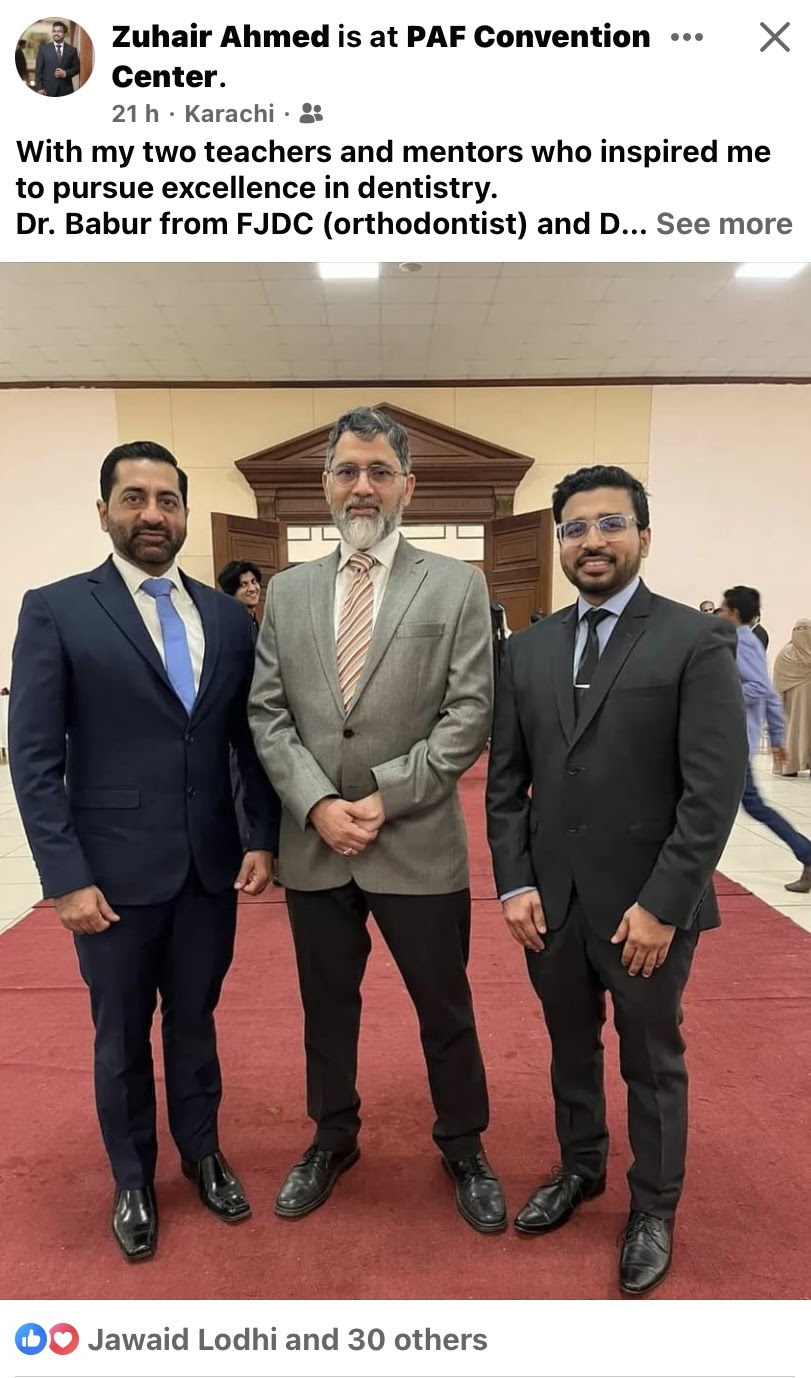
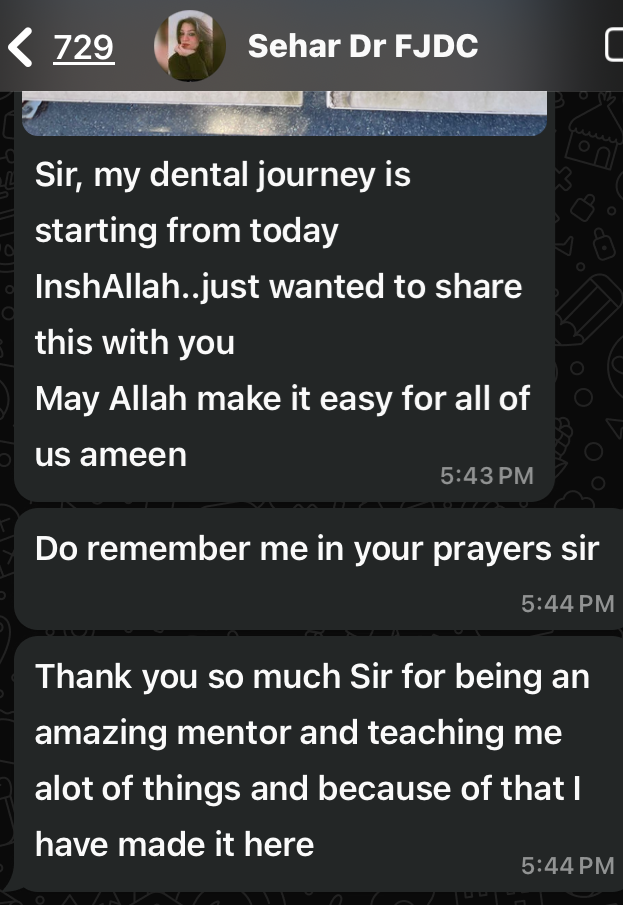
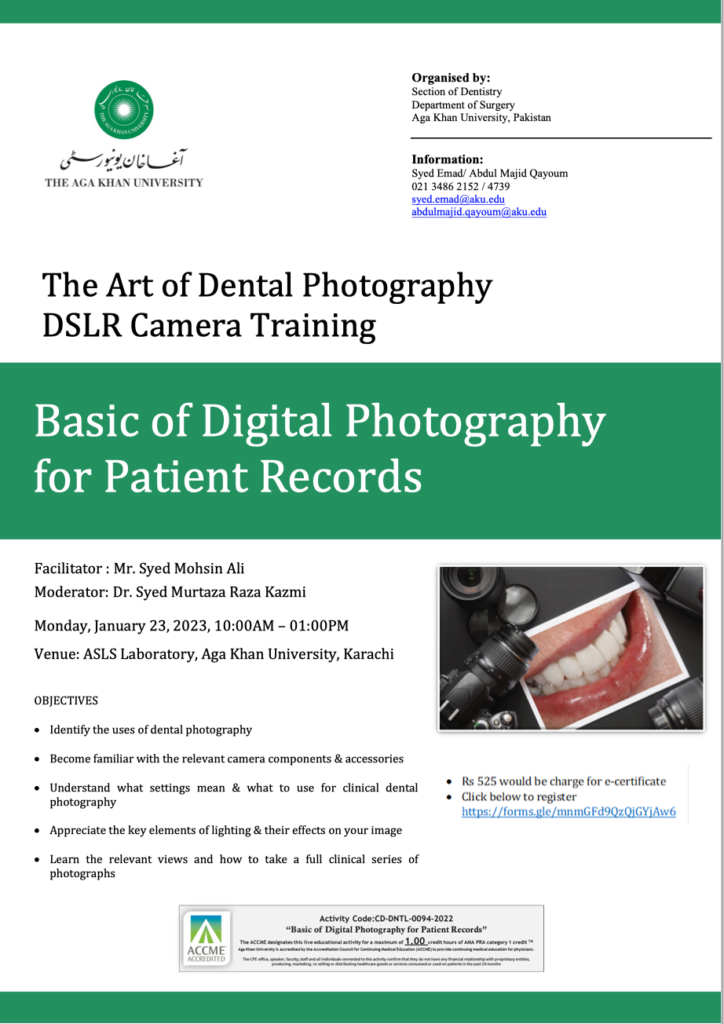
As a dedicated educator, I actively seek opportunities to refine and enhance my teaching skills. I have participated in various lectures, workshops, and training sessions that focus on the art and science of teaching (Evidence 1). These experiences have deepened my understanding of educational philosophies and expanded my passion for medical education, motivating me to continuously evolve my teaching practices.
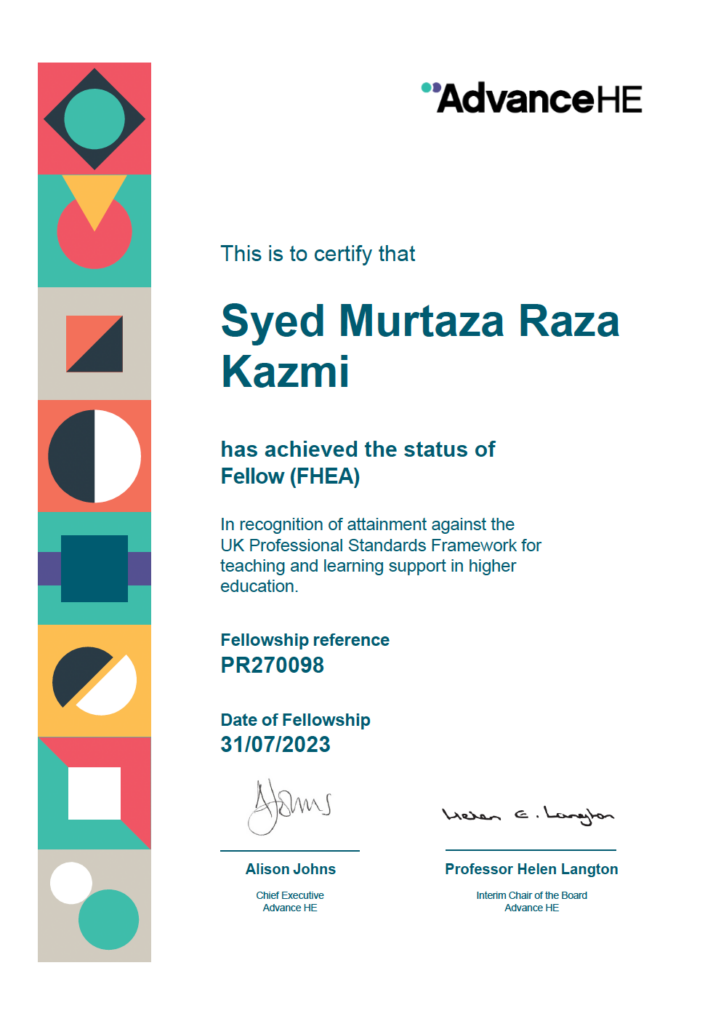
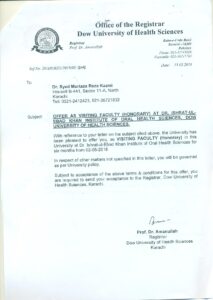
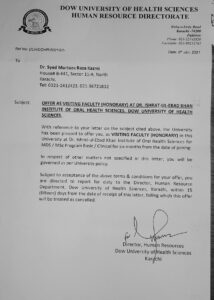
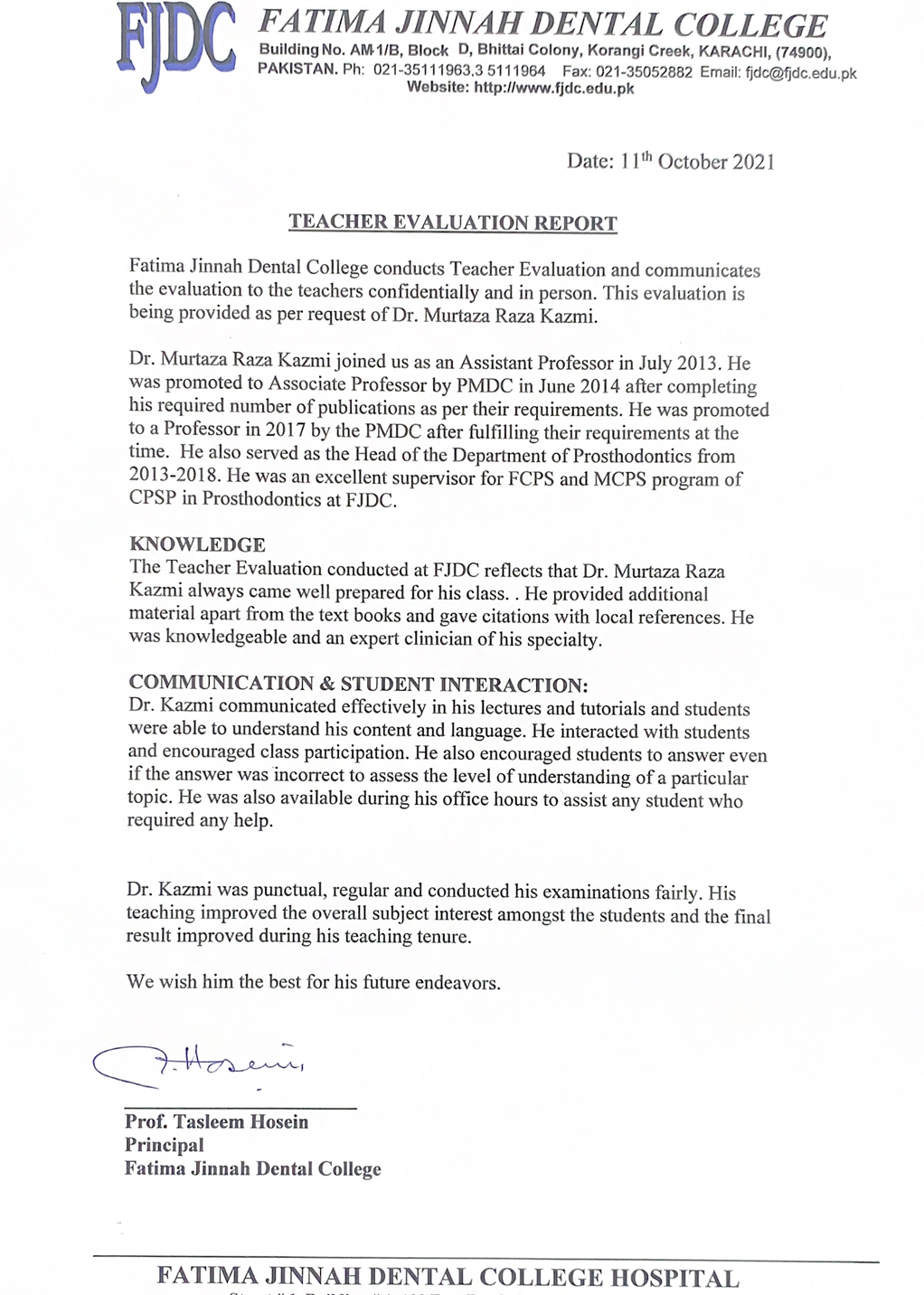
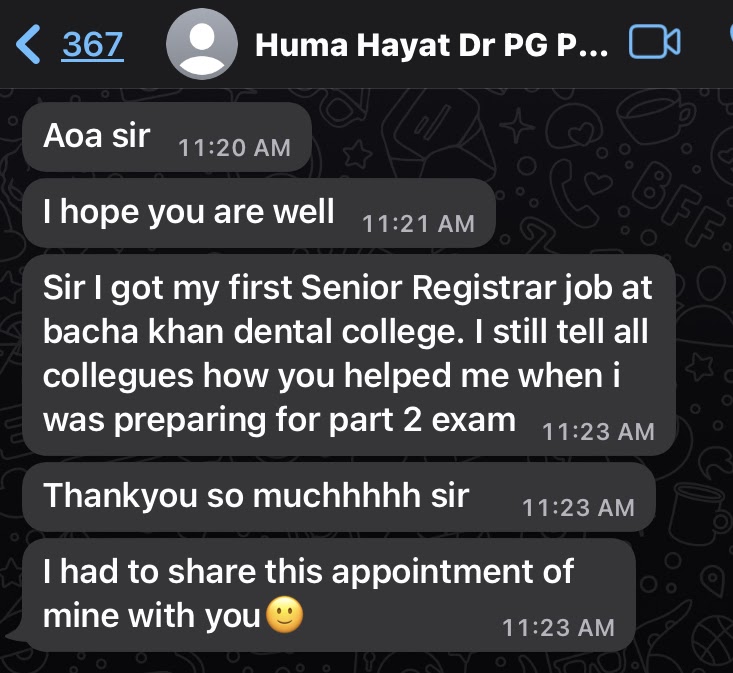
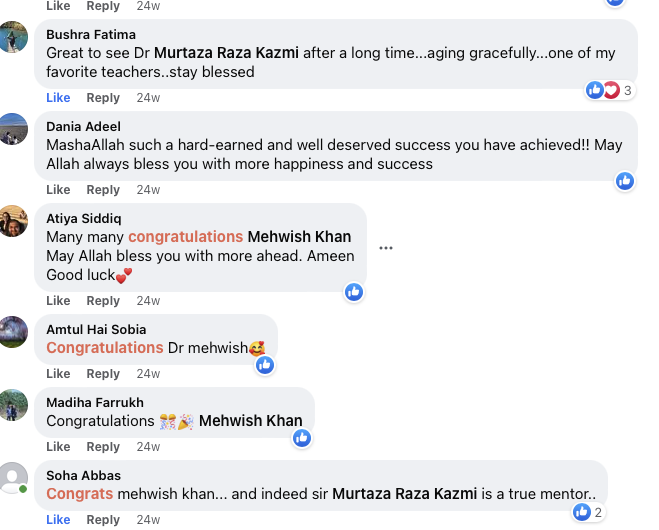
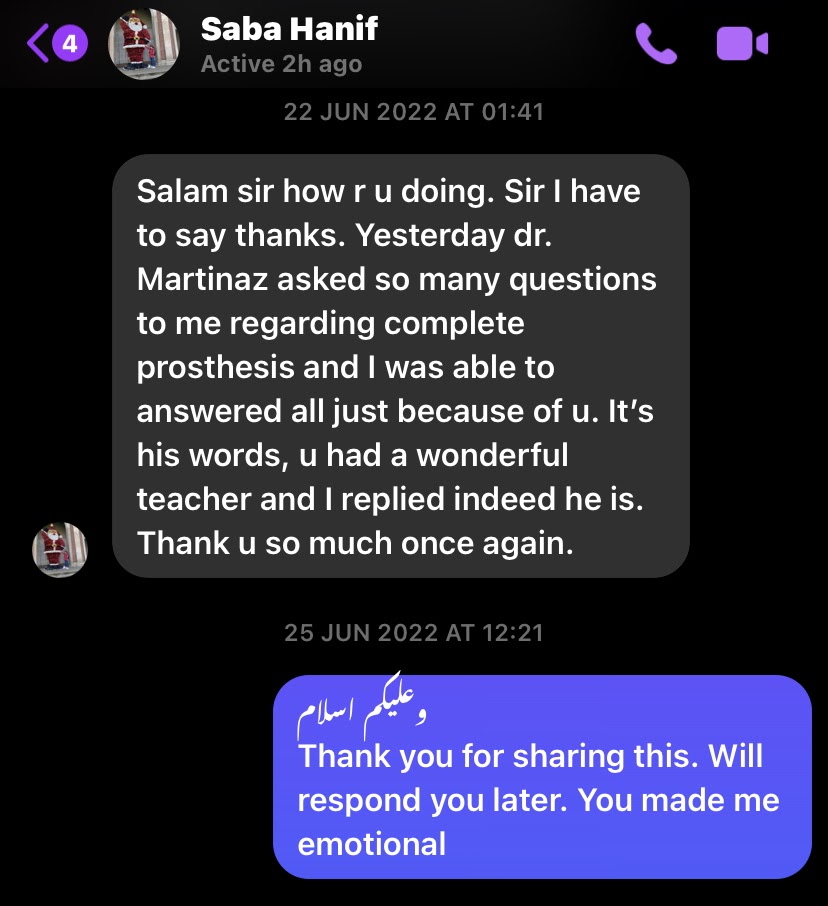
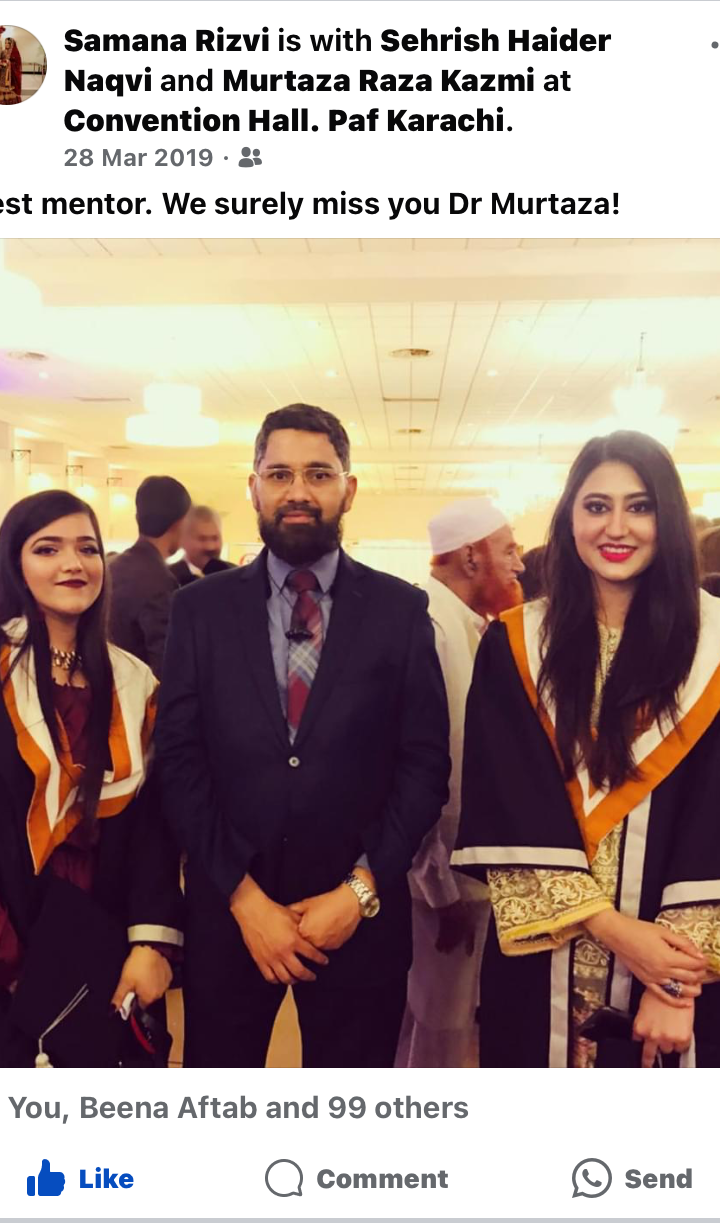
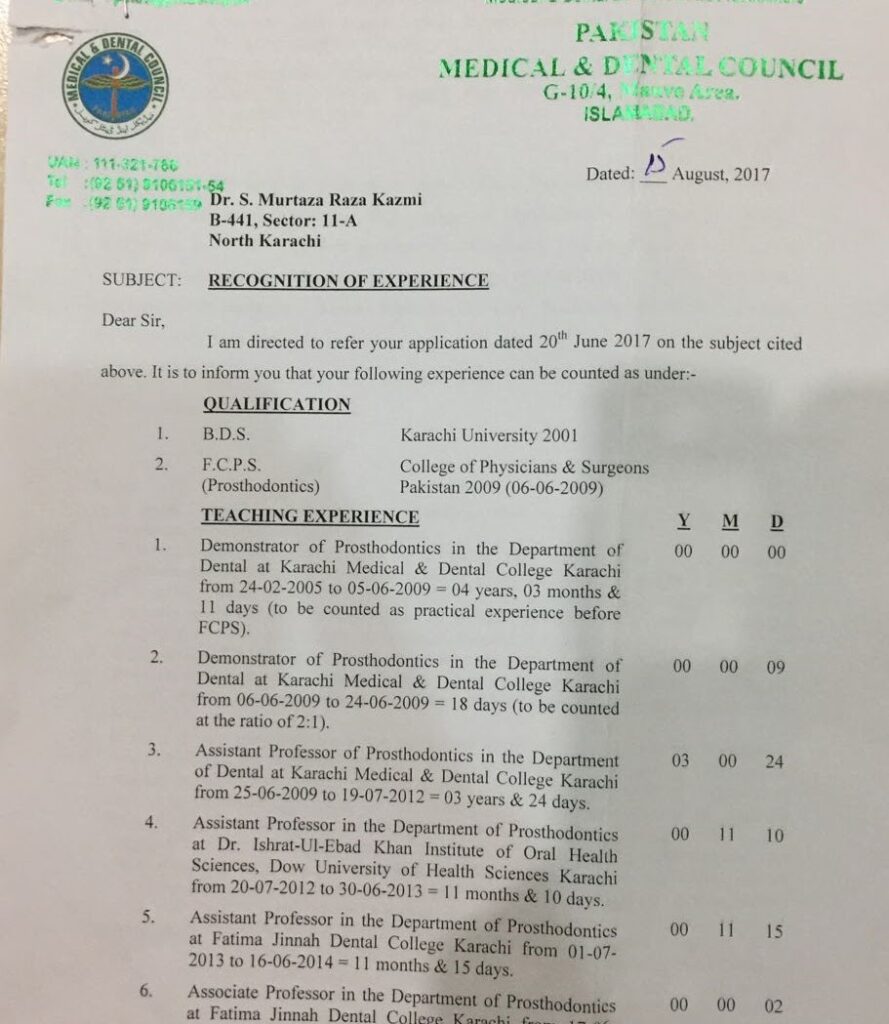
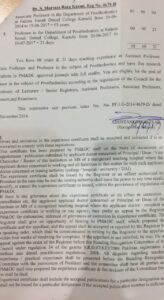
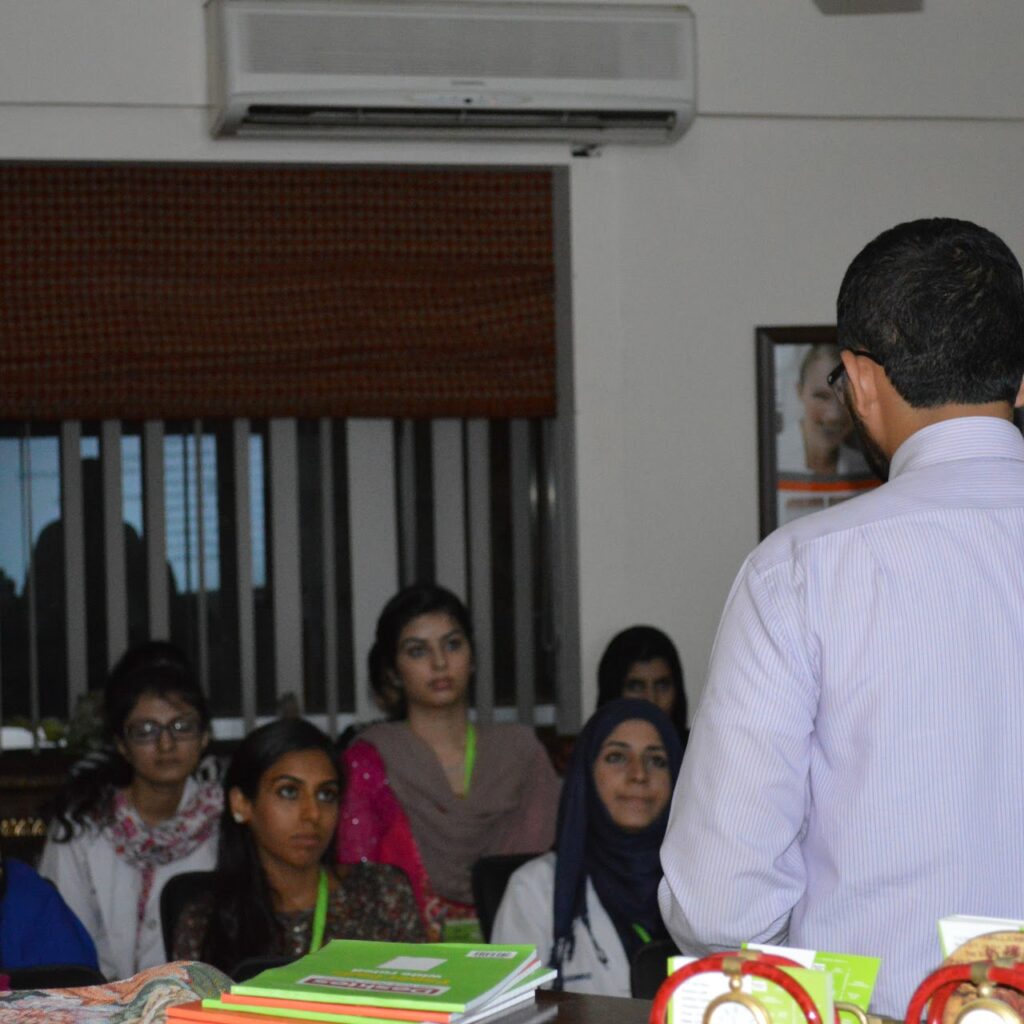
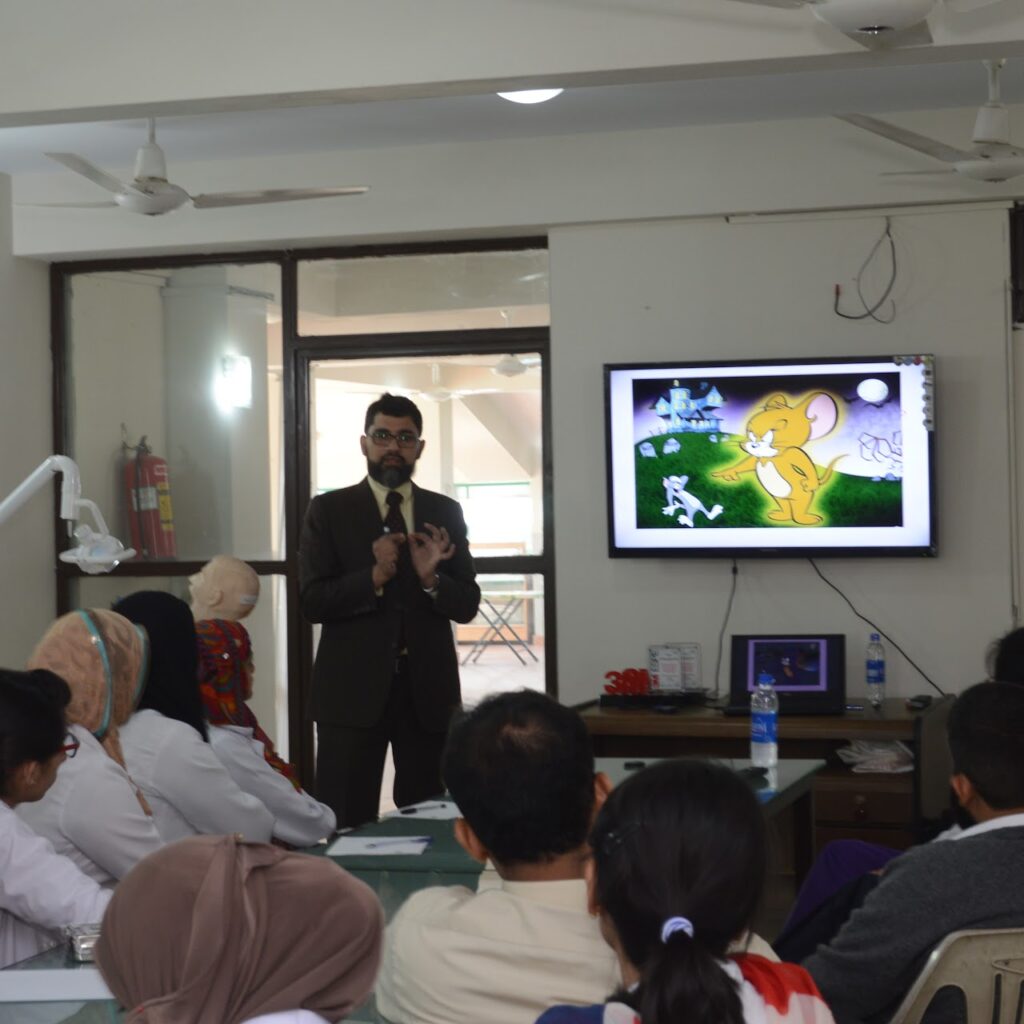
I incorporate continuous feedback from my students, peers, and senior colleagues into my teaching approach. This feedback has been instrumental in shaping my lectures and tutorials, which now include interactive icebreakers, customised visual illustrations, clinical scenarios, and active learner engagement strategies. For instance, I use icebreakers to build rapport, establish a sense of security, and encourage participation among learners. According to Chlup and Collins (2010), such techniques foster a positive learning environment, and I have witnessed firsthand how they invigorate classroom dynamics. These improvements has given me opportunity to work as visiting faculty in Dow University of Health Sciences and Jinnah Medical and Dental College (Evidence 2).
Additionally, I recognise the power of customised illustrations in enhancing comprehension, particularly in medical education. By creating visuals tailored to the specific needs of the course and students, I can effectively simplify complex concepts. The use of layered illustrations with appropriate colours and legends, as highlighted by Cui et al. (2009), has significantly improved students’ understanding and retention of key concepts. Feedback from my students indicates increased engagement and appreciation for these tailored learning tools, reinforcing the effectiveness of my approach (Evidence 3).
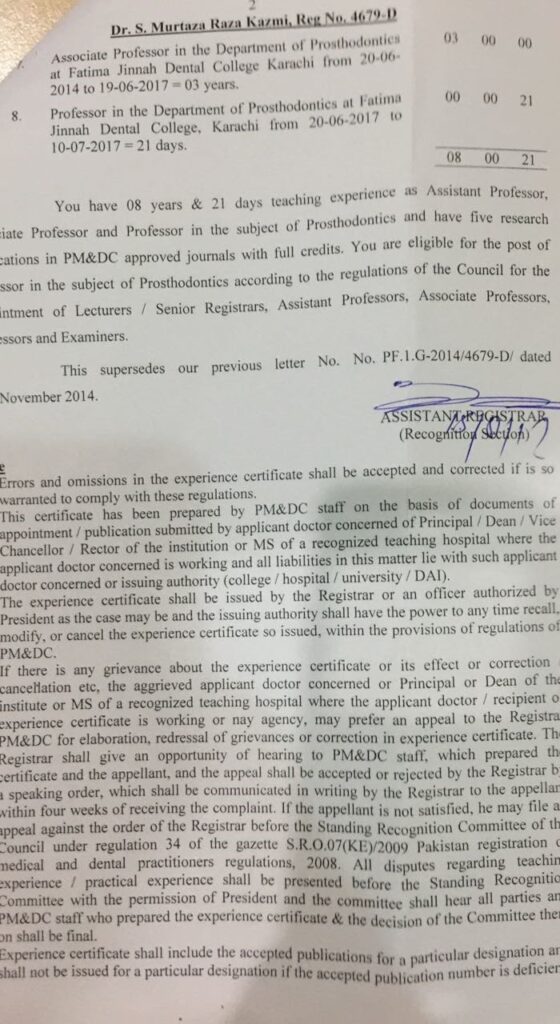
My aim is to create an inclusive and interactive learning environment where students feel motivated to participate and express their understanding. The changes I have implemented are not just about improving teaching methods but about responding to the evolving needs of learners. Engaging students with relatable examples and participatory activities ensures that learning is not passive but an active and meaningful process. Through out my twenty year of involvment as teacher (Evidence 4). I have kept my learner engaged to make this learning process an interesting experience for the learner.
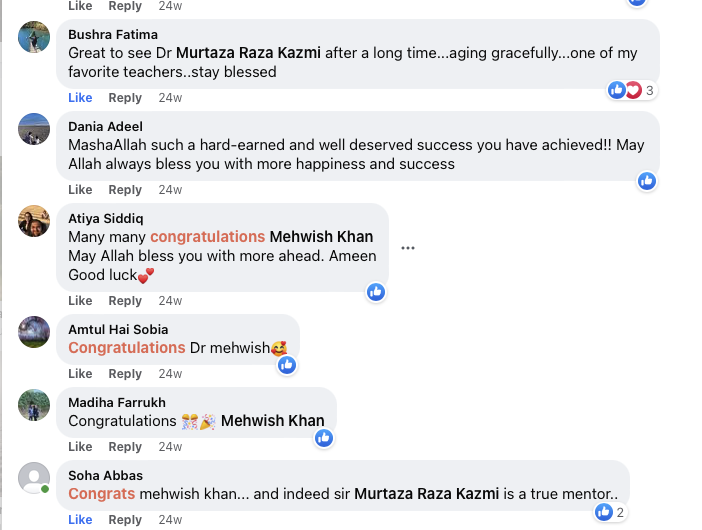
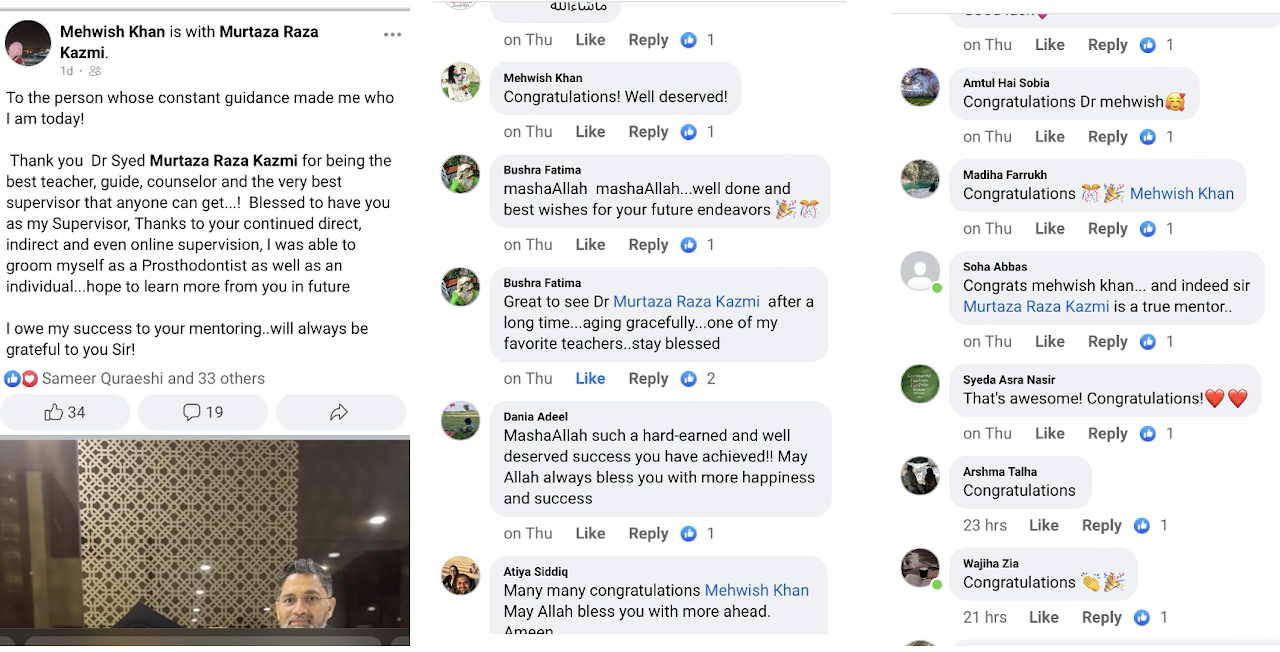
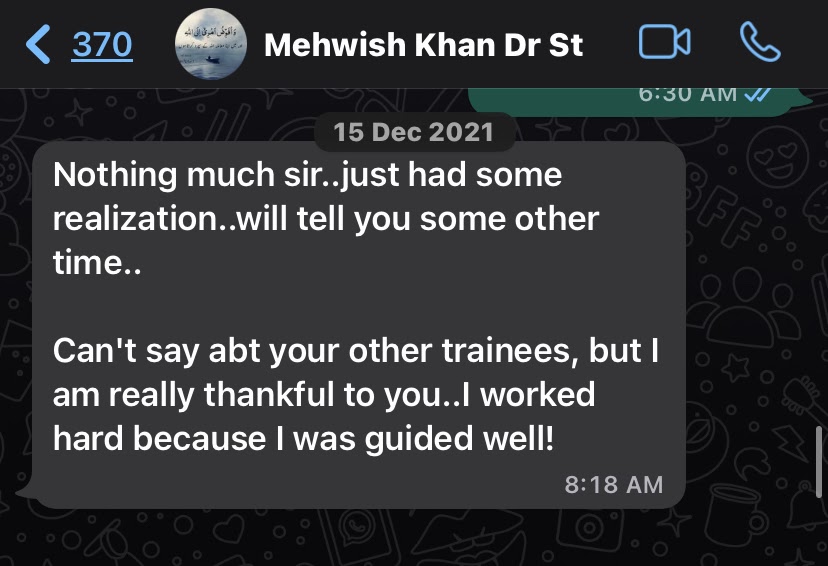
The positive feedback from students and peers has been particularly encouraging, with many noting the increased clarity and relevance of the teaching material. Leadership within my department has also recognised these efforts, highlighting the improvements in student engagement and learning outcomes.
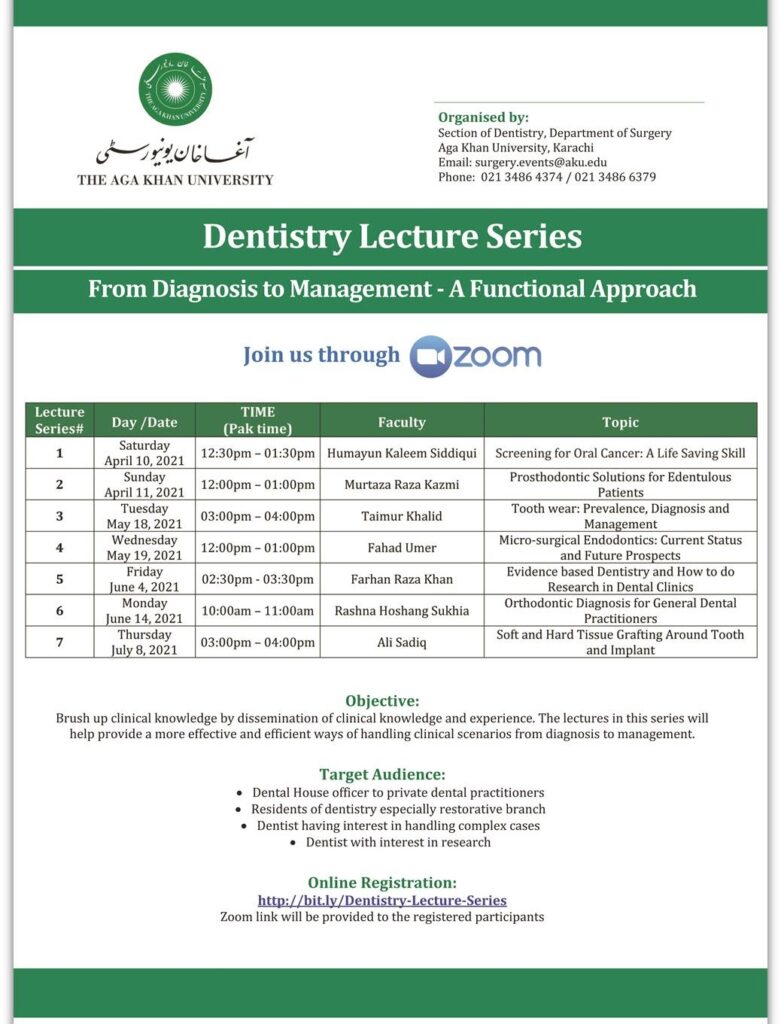
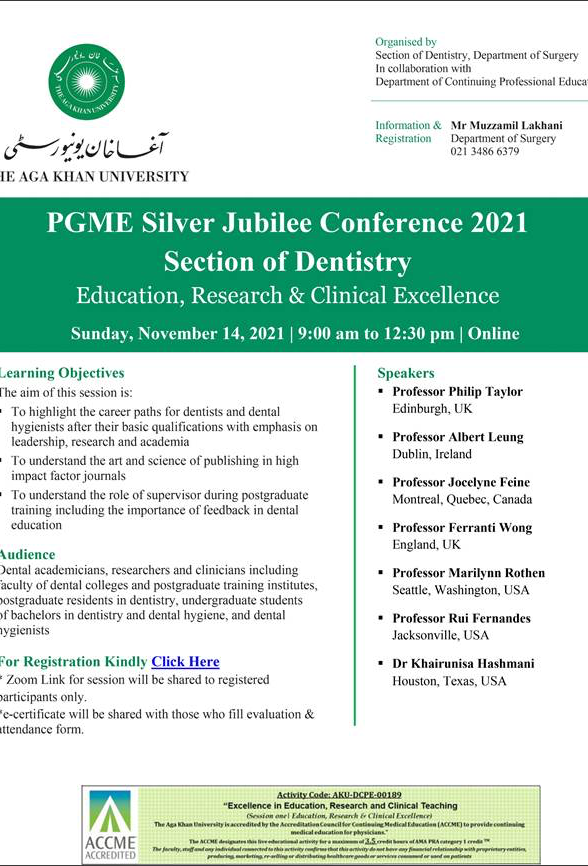
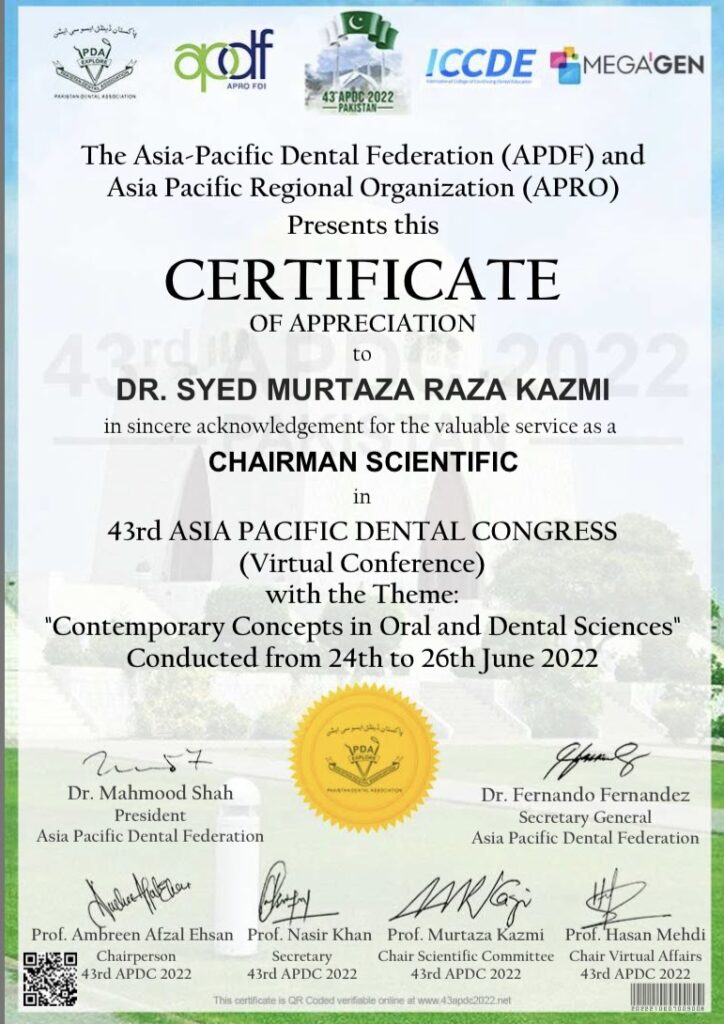
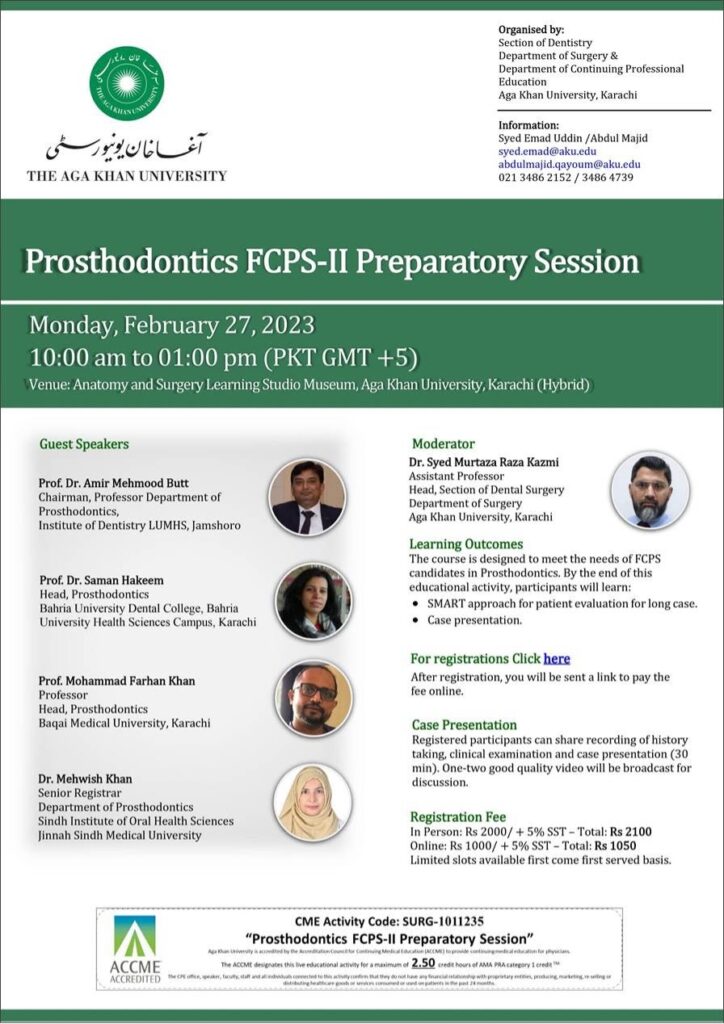
I led my department in adapting to the disruption of conventional teaching methods during the COVID-19 pandemic by embracing virtual platforms. In 2021, as Section Head of Dentistry, I spearheaded the design and implementation of an online lecture series and two virtual symposiums (Evidence 5). These initiatives turned the challenges posed by the pandemic into opportunities for innovative learning. The Virtual Learning Environment (VLE) proved highly effective, as research suggests it aligns with the learning preferences of today’s technologically adept students (Limniou and Smith 2010). The overwhelmingly positive feedback from participants and the appreciation for our adaptability during the pandemic underscored the impact of these educational interventions. I have been instrumental in organizing different workshops, symposiums, especially was the chair scientific in Online international conference Asia Pacific Dental Conference in July 2022 (Evidence 6). I have been invited by different organization and institutes to deliver lectures on different clinical topic (Evidence 7)
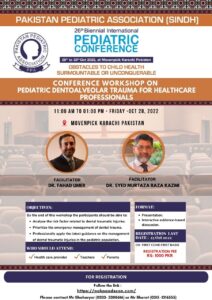
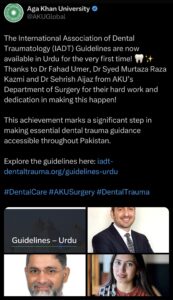
Considering the importance of early management of Dental Traumatic Injuries we have translated the International Guideline and also conducted a workshop for pediatricians (Evidence 8).
The success of these activities has not only reinforced my commitment to excellence in teaching but also highlighted the importance of adapting to changing circumstances while keeping the learner at the centre of the educational experience.
“Quality Management and Curriculum Evaluation” May 18 & 19, 2023 conducted by Prof Janet Grant offered by the Department for Educational Development (DED) at Aga Khan University (AKU) as part of 1st International Health Professions Education titled IQRA (Impact, Quality, Relevance and Access) on may 20, 2023.
“The Introductory guideline development workshop for panel member with especial focus on Adolopment” January 20-21, 2022 organized by US-GRADE network.
“Instructional Skills Workshop” October 25 to November 05, 2021organized by Quality of Teaching and Learning (QTL) of AKU.
“Course on Grant Writing and Submission: Strategies for Success” April 7-9, 2021 online course arranged by Manuscript and grant division, Office of Academia and Research in Surgery (OARS), Department of Surgery, Aga Khan University.
“Re-Thinking Teaching (RTT): A course (Re)Design workshop” June 21-July2, 2021 organized by Quality of Teaching and Learning (QTL) of AKU.
“Introductory Short Course (ISC) in `health Professions Education” conducted by Department of educational development of Aga Khan University (AKU), held on July 30- August 03, 2018
“Developing valid objective structured clinical examinations” organized by Association for excellence in medical education (AEME) held at Ziauddin Medical university, Karachi held on March 3, 2017.
“Dental Integrated Curriculum Development” organized by Jinnah Sindh Medical University, professional development center from August 10-12, 2015.
“Assessment of competence” organized by College of Physicians and Surgeons Pakistan, Karachi on January 23-26, 2014 at CPSP Karachi.
“Educational planning and evaluation” organized by College of Physicians and Surgeons, Karachi on May 24-27, 2012 at CPSP Karachi.
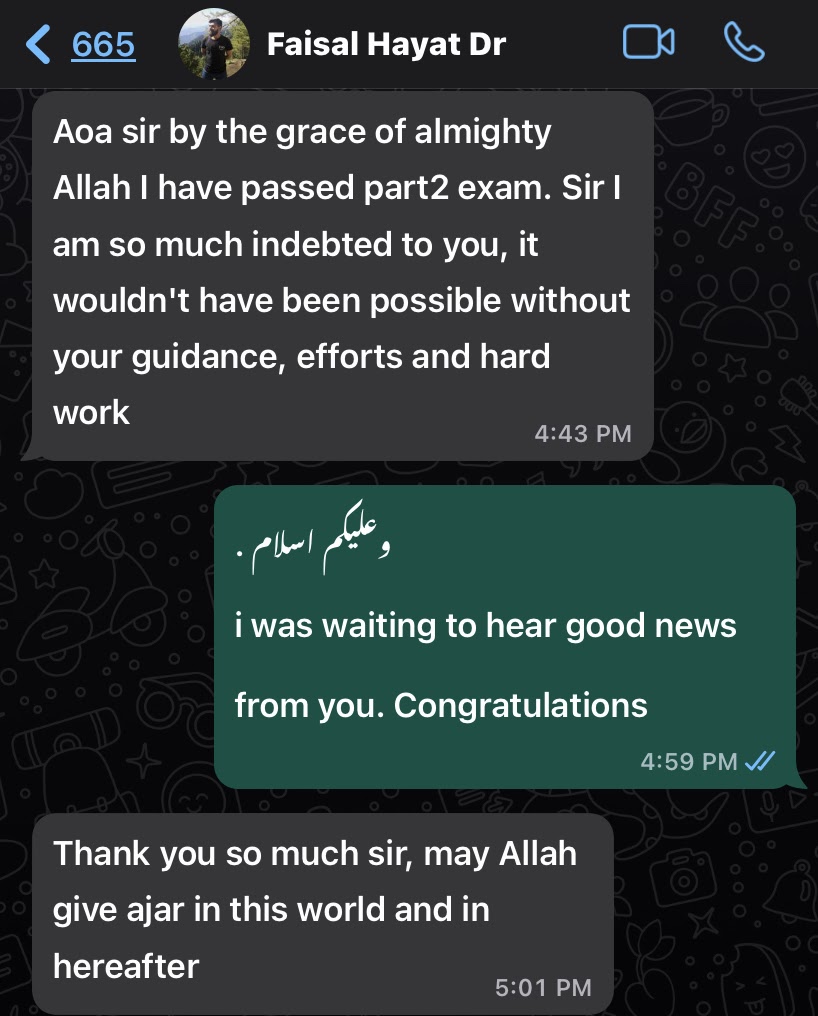
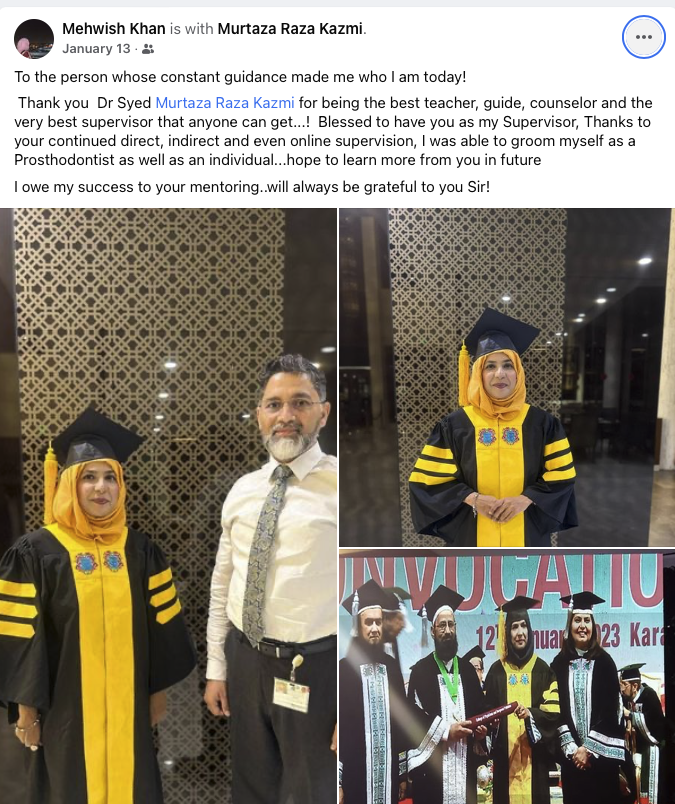
I have had the honor of working at Dow University of Health Sciences (DUHS) and Jinnah Medical and Dental College (JMDC) as a visiting faculty. I was given the opportunity to oversee five MDS candidates’ theses and exams at DUHS, two of whom were senior faculty members at DUHS themselves. I am pleased to report that all of them passed their MDS exams and successfully defended their theses. By advising and mentoring these prospective dental professionals, I was able to contribute to the development of dental education.
In addition, I was pleased to accept two invitations from JMDC to teach ‘removable prosthodontics’ to their BDS final-year students. Sharing my knowledge and experience with the eager students was a rewarding experience.
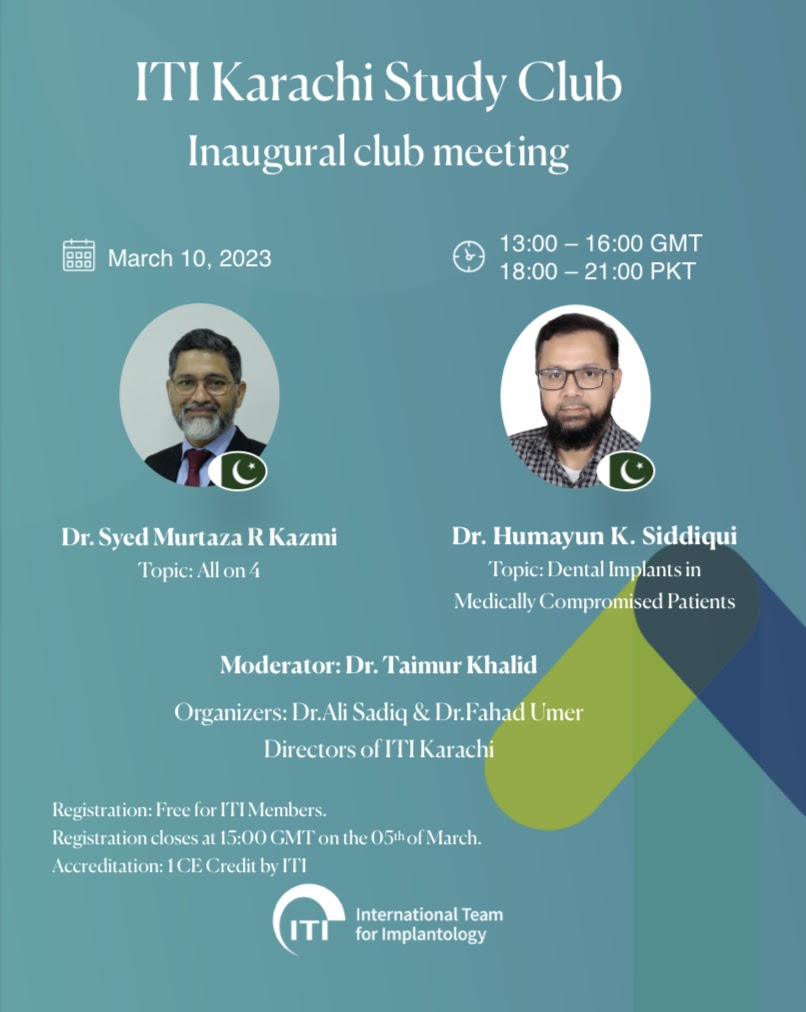
These experiences have expanded my professional development and given me the opportunity to contribute to academic advancement. I am appreciative of the chance to influence dentistry’s future by educating the students, encouraging their critical thinking, and igniting their desire for greatness.
In conclusion, my time spent working as a visiting faculty has been rewarding and enlightening. I am appreciative of the faith these prestigious institutions have given in me since it has allowed me to actively contribute to the education and professional development of dental students. I’m eager to continue serving in positions like this where I can have a good influence on the lives of aspiring dental professionals.
Formal and structural evaluation by the learner is pivotal in teaching. This helps in guiding the teachers to overcome their weakness and further strengthen their good attributes. Although the teachers are not in popularity business and their principal stands may not be taken well by the learner, but continuous and anonymous feedback from the students or learner guide the future direction for the teacher. Unfortunately, not all the institute conducts this survey on regular basis. I am blessed to have few done by myself which guided me to incorporate more clinical orientated lectures. Their positive feedback encouraged me to learn Adobe Illustrator for the making my own animations in the lectures.
For instructors and mentors to be judged effectively, student input is crucial (Hussain and Khan 2016). It promotes personalized learning, encourages continual growth, engages and inspires both educators and students, assures quality assurance, gives students more agency, and boosts the efficiency of mentoring relationships. Educational institutions may provide a collaborative and student-centered learning environment that satisfies the variety of requirements of students by respecting student input. Student feedback give the faculty an opportunity to do their SWOT analysis (Richardson 2004
During the COVID-19 pandemic, I organized and conducted a well-received online lecture series for dental professionals. This initiative aimed to provide valuable education and support to individuals living away from AKU. The positive feedback received from participants led to the successful continuation of the lecture series for a second round. Covering a wide range of dental topics, the series addressed the educational needs of professionals at different career stages. By adapting to the challenges of the pandemic, we turned them into opportunities for remote learning. The online format allowed us to reach a broader audience and provide practical insights and guidance. This initiative showcased our commitment to continuous learning, professional development, and the effective use of technology in overcoming obstacles.
Schedule of Dental Symposium on PGME Silverjubilee
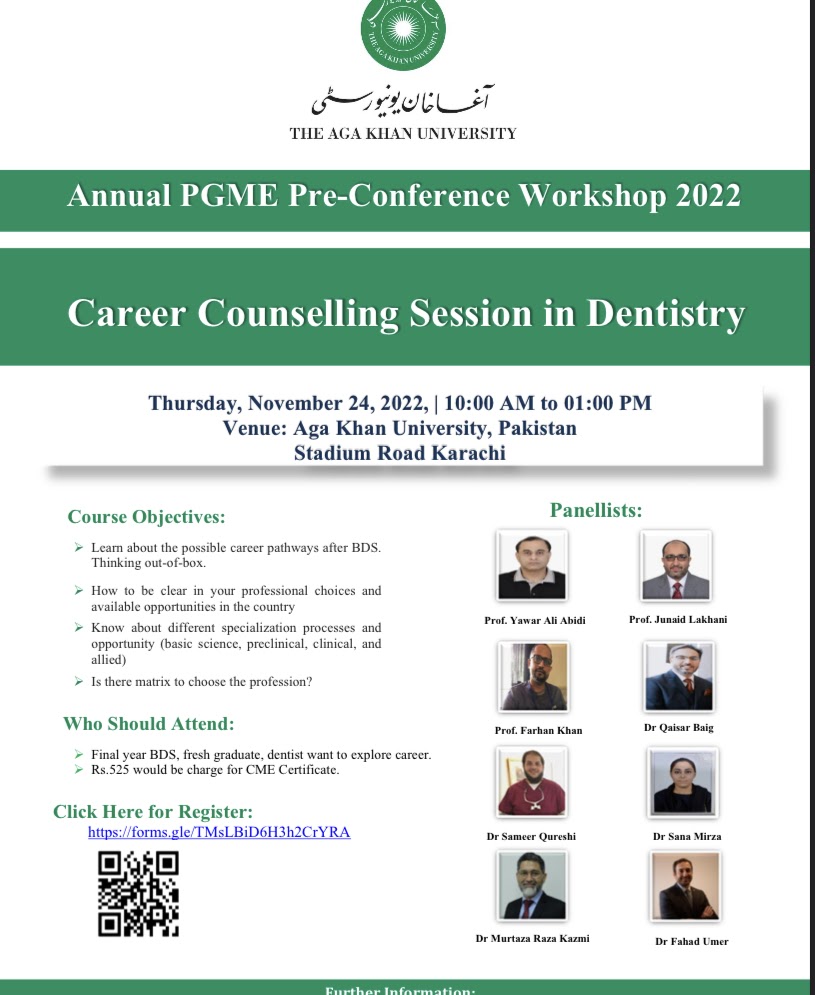
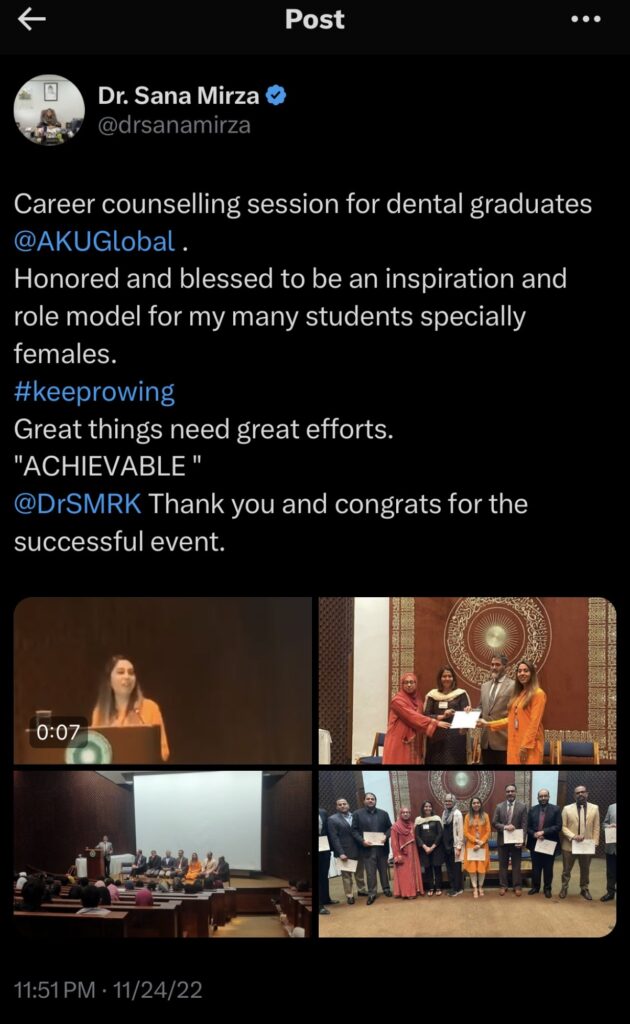
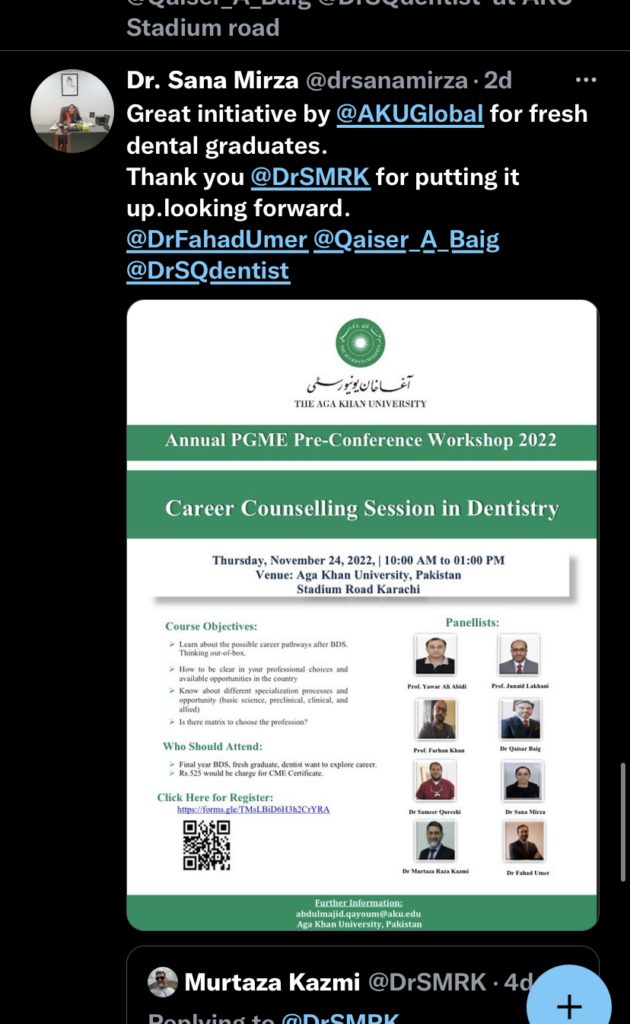
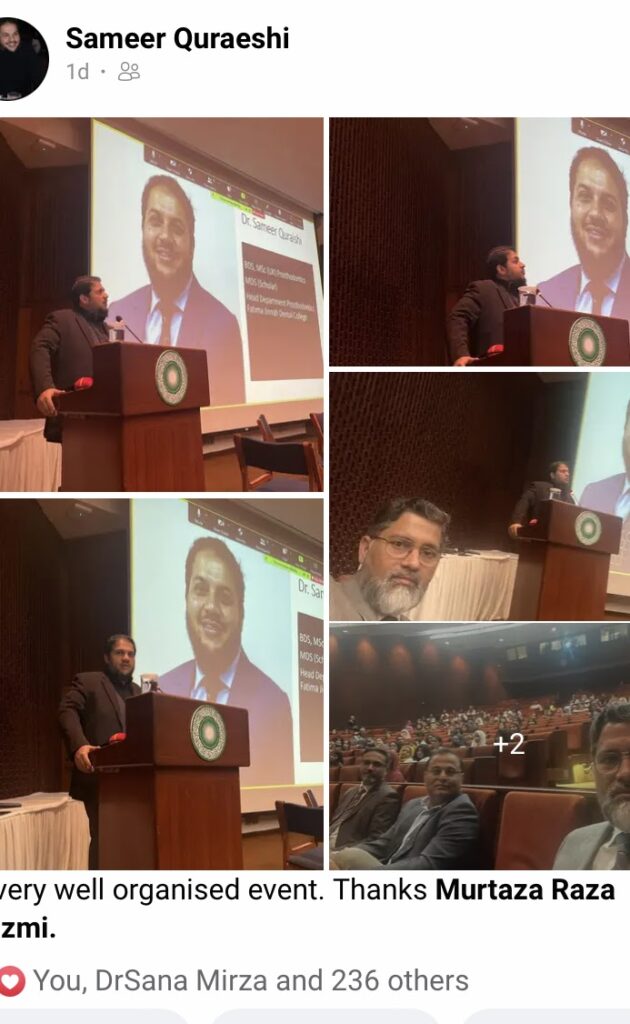
Career Counselling Session for dental graduates.
Faculty appreciation for organizing the Career Counselling session.
Schedule of Dental Symposium on PGME Silverjubilee
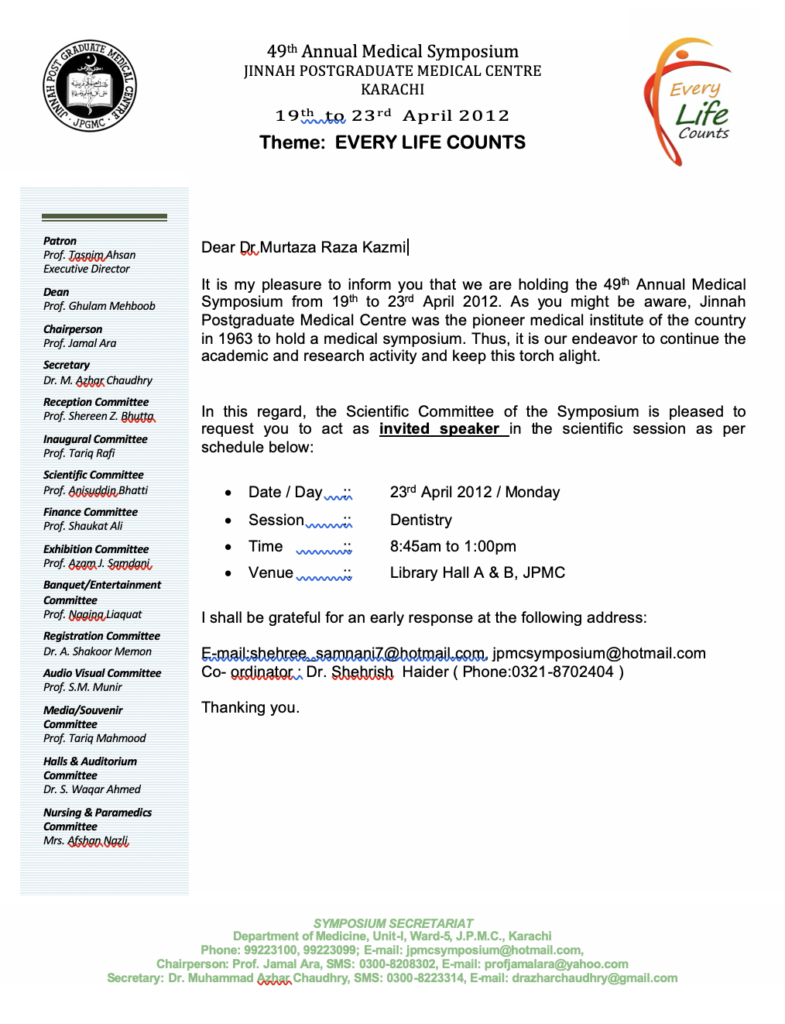
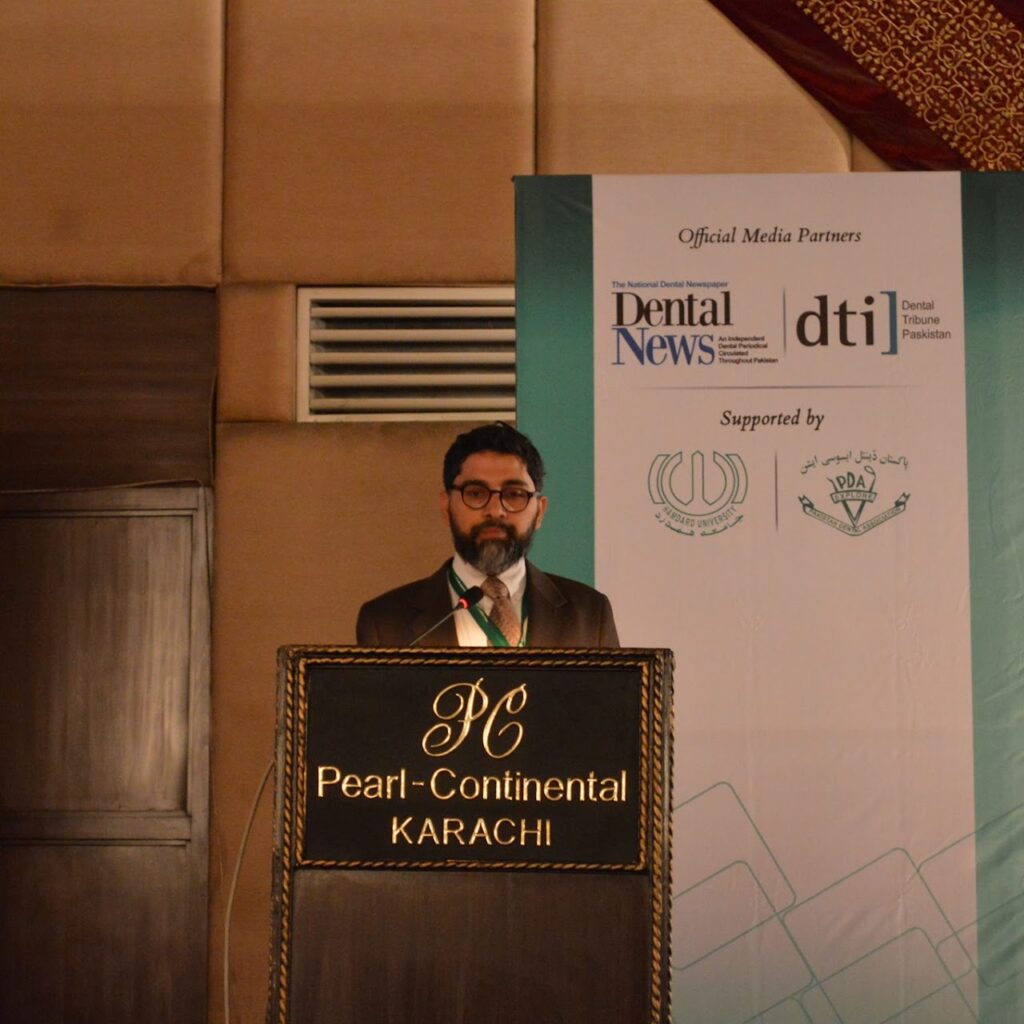
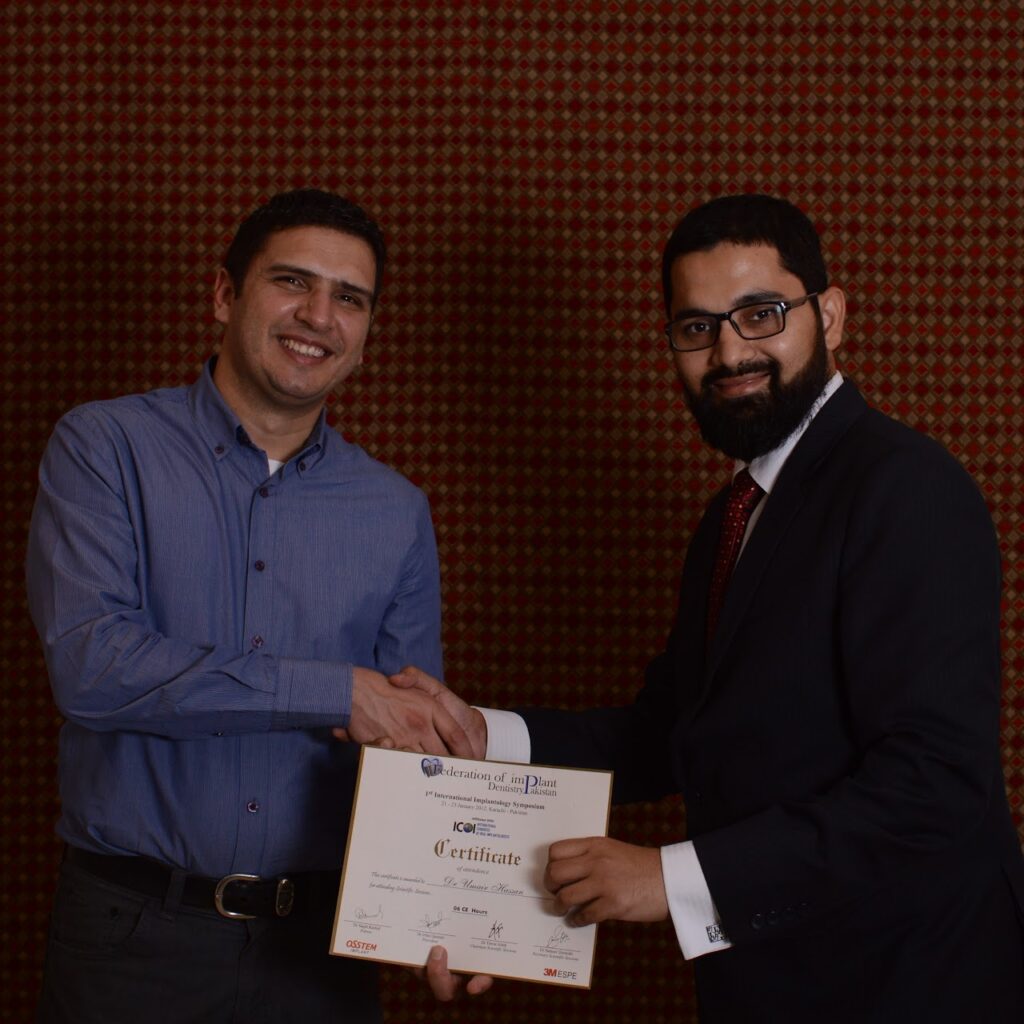
It is my honor and privilege that organizers of different dental conferences have invited me as a speaker on the main podium. As a passionate teacher and dedicated clinician, I always enjoy sharing my experience and knowledge with others which may eventually benefit the patients.
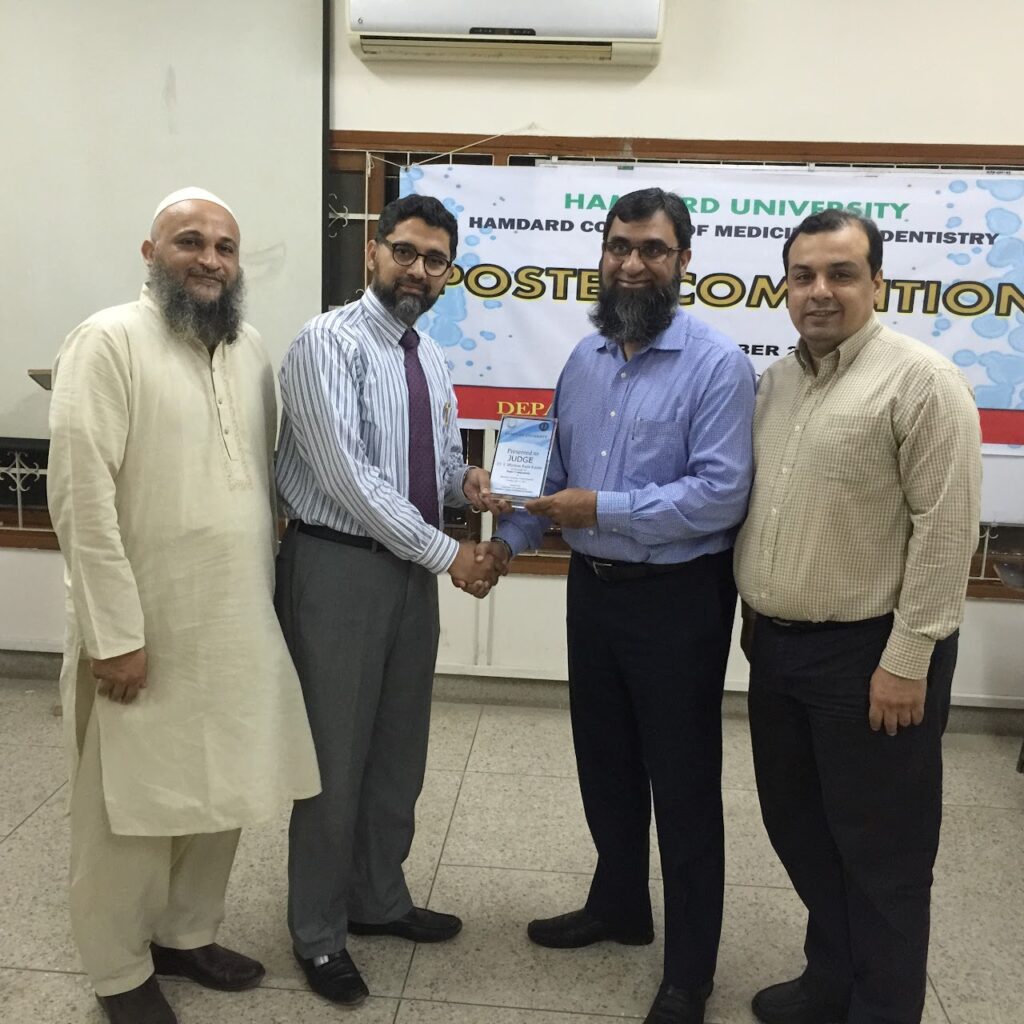
Topic “Our role to in the management of Medication-Related Osteonecrosis Of Jaw” KEYNOTE SPEAKER, combinedly organized by Pakistan Association of Dental Research (PADR) and Pakistan Prosthodontics Association (PPA) Lahore from October 24-25, 2021
Topic “Jaw Relation: Basic to practical” INVITED LECTURE organized by HealthCure on April 7, 2021.
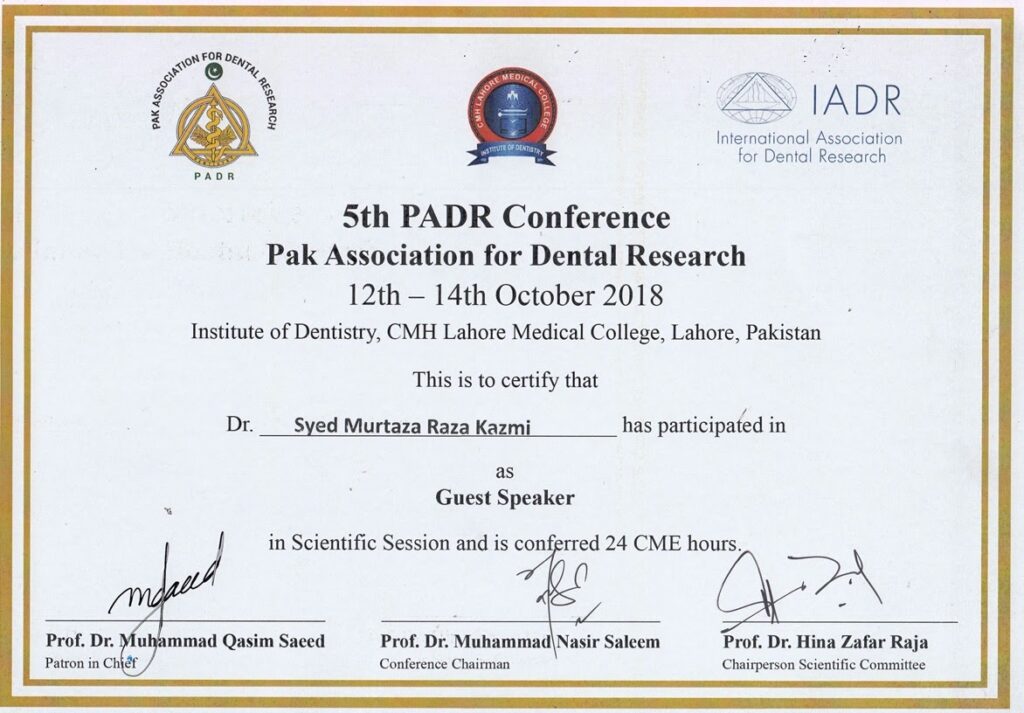
Topic “Shortened Dental Arch: Revisited” 5th conference of Pakistan Association for Dental Research (PADR) organized from 12-14 October 2018 in Lahore. Presented as GUEST SPEAKER.
Topic “Science and practice of occlusal adjustment” international symposium organized in Quetta by Pakistan Prosthodontics Association from 13-15 July 2018. Presented as GUEST SPEAKER.
Topic “Prosthodontic solutions for the edentulous jaws” GUEST LECTURE in Bahria University, 2016.
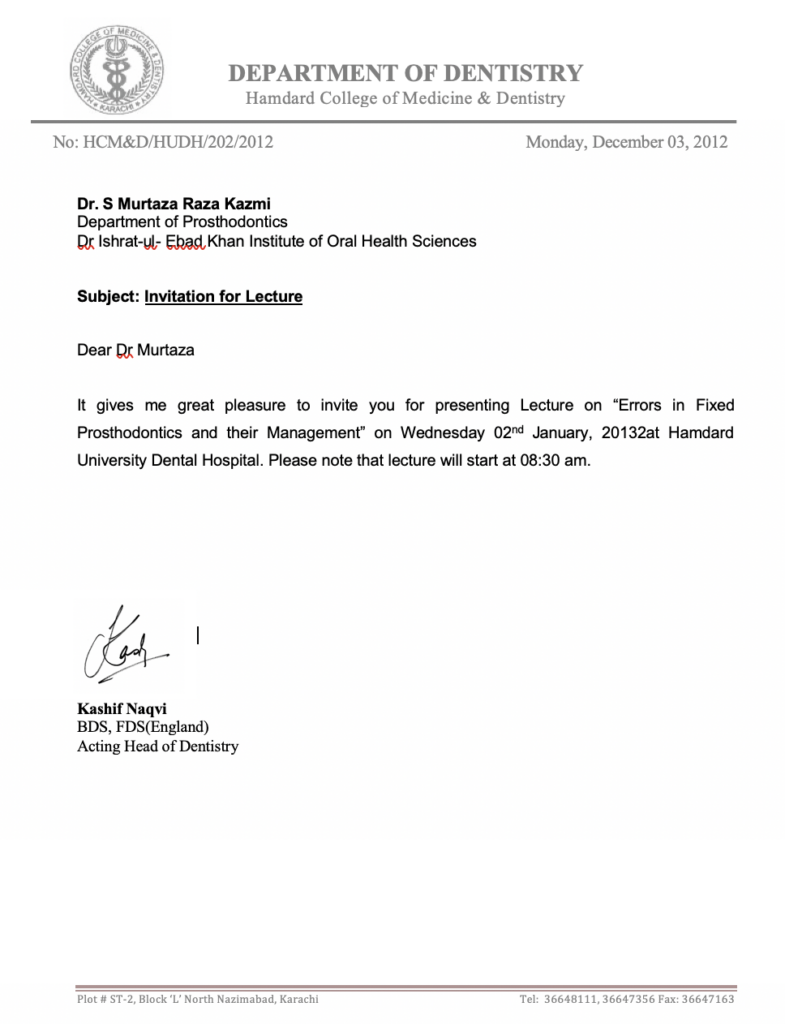
GUEST LECTURE on “Errors in fixed Prosthodontics and their management” Hamdard University of Dental Hospital, January 2, 2013.
JPMC 2012 INVITED SPEAKER
Conducted interactive workshop for pediatricians regarding early management of traumatic injuries to dental and oral tissues. This was well received by the participating physicians.
International association of dental traumatology is considered as authority on the management of dental traumatic injuries. Their guidelines have been translated in 20-different languages. Considering it’s value and ease of our population, we have translated it in urdu.
1. Chlup DT, Collins TE. Breaking the Ice: Using Ice-breakers and Re-energizers with Adult Learners. Adult Learning. 2010;21(3-4):34-39. doi:10.1177/104515951002100305
2. Cui D, Lynch JC, Yang G, Haines DE. Techniques of Developing Illustrations for Histology Teaching. The FASEB Journal. 2009 Apr;23:479-
3. Husain M, Khan S. Students’ feedback: An effective tool in teachers’ evaluation system. International Journal of Applied and Basic Medical Research. 2016 Jul;6(3):178.
4. Limniou M, Smith M. Teachers’ and students’ perspectives on teaching and learning through virtual learning environments. European Journal of Engineering Education. 2010 Dec 1;35(6):645-53.
5. Richardson BK. Feedback. Acad Emerg Med. 2004;11:1–5